


Biochemistry, Biophysics and Bioinformatics
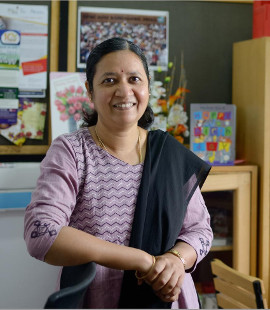
Prof. R. Sowdhamini
Computational Approaches to Protein Science
Dr. Aswin Sai Narain Seshasayee
Computational and functional genomics of bacterial gene regulation
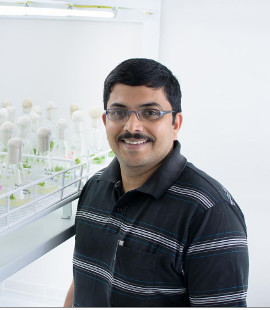
Dr. P. V. Shivaprasad
Plant epigenetics
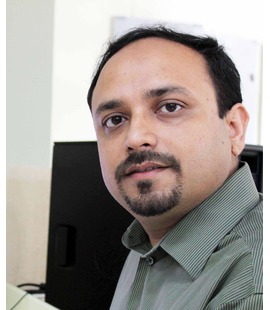
Dr. Ranabir Das
Biomolecular Structure, Dynamics and Function
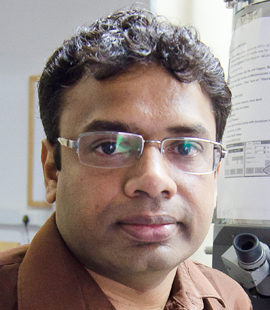
Dr. Vinothkumar Kutti Ragunath
Membrane protein structure; electron cryo microscopy
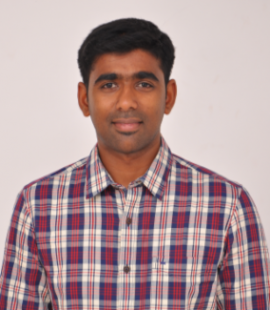
Dr. Sabarinathan Radhakrishnan
Computational cancer genomics

Dr. Shruthi Viswanath
Integrative structural biology

Dr. Tapomoy Bhattacharjee
Active living matter in complex environment

Dr. Shachi Gosavi
Protein Folding, Assembly and Design
Neurobiology
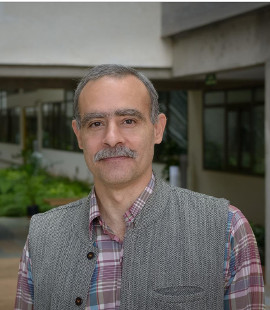
Prof. Upinder S. Bhalla
Computational and Experimental approaches to Memory and Plasticity
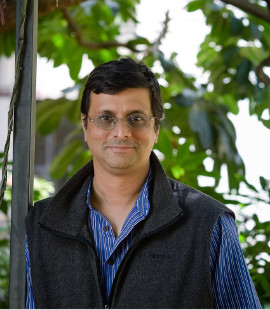
Prof. Sanjay P Sane
The physics, neurobiology and eco-physiology of insect flight
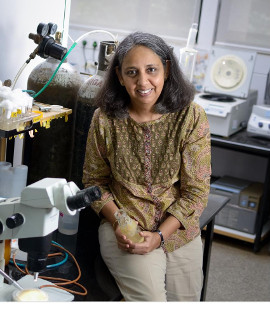
Prof. Gaiti Hasan
(Retired, currently SERB Distinguished Fellow) Inositol 1,4,5, - trisphosphate signalling in cellular and systemic physiology

Prof. Raghu Padinjat
Analysis of phosphoinositide signalling
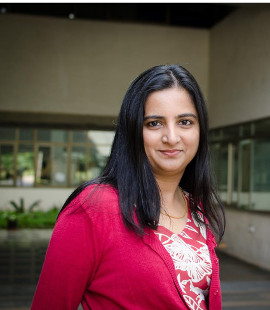
Dr. Vatsala Thirumalai
Neural control of movement during development and in adulthood
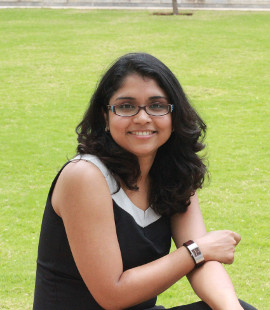
Dr. Hiyaa Ghosh
Brain homeostasis and neuroinflammation
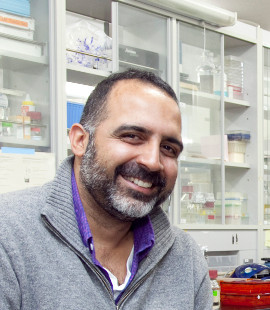
Dr. Raj Ladher
Development and Morphogenesis of the Inner Ear
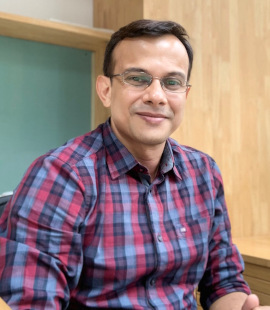
Dr. Abhishek Bhattacharya
Mechanisms of electrical synapse formation, regulation and function
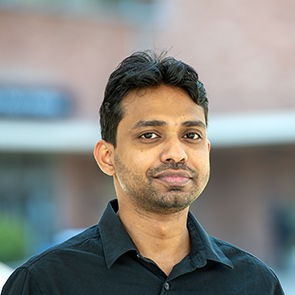
Dr.Sufyan Ashhad
Neural control of breathing rhythm in mammals
Cellular Organization and Signalling
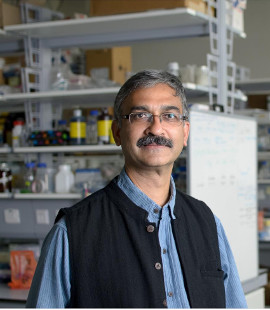
Prof. Satyajit Mayor
Mechanisms of membrane organization and endocytosis

Prof. Madan Rao
Theoretical approaches in cell and tissue biology : physics of active, evolving systems

Prof. Raghu Padinjat
Analysis of phosphoinositide signalling

Dr. Varadharajan Sundaramurthy
Host - pathogen interactions
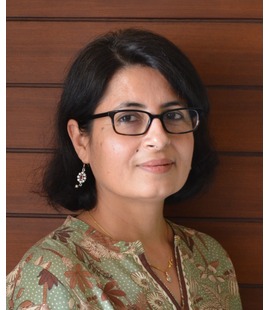
Dr. Dimple Notani
Gene Expression and Chromatin Architecture
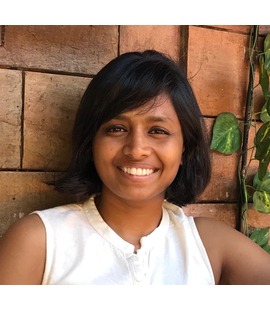
Dr. Anjana Badrinarayanan
Microbial DNA damage response and repair
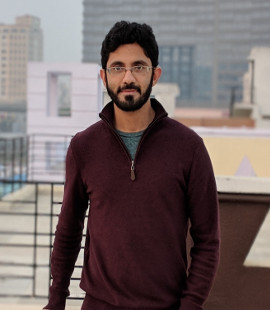
Dr. Shaon Chakrabarti
Quantitative cell biology: cellular proliferation in development and disease
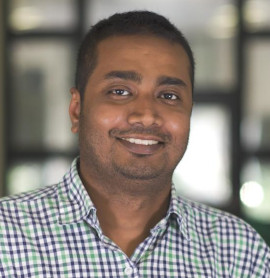
Dr. Swadhin Chandra Jana
Organelle Biology in Development, Maintenance & Diseases
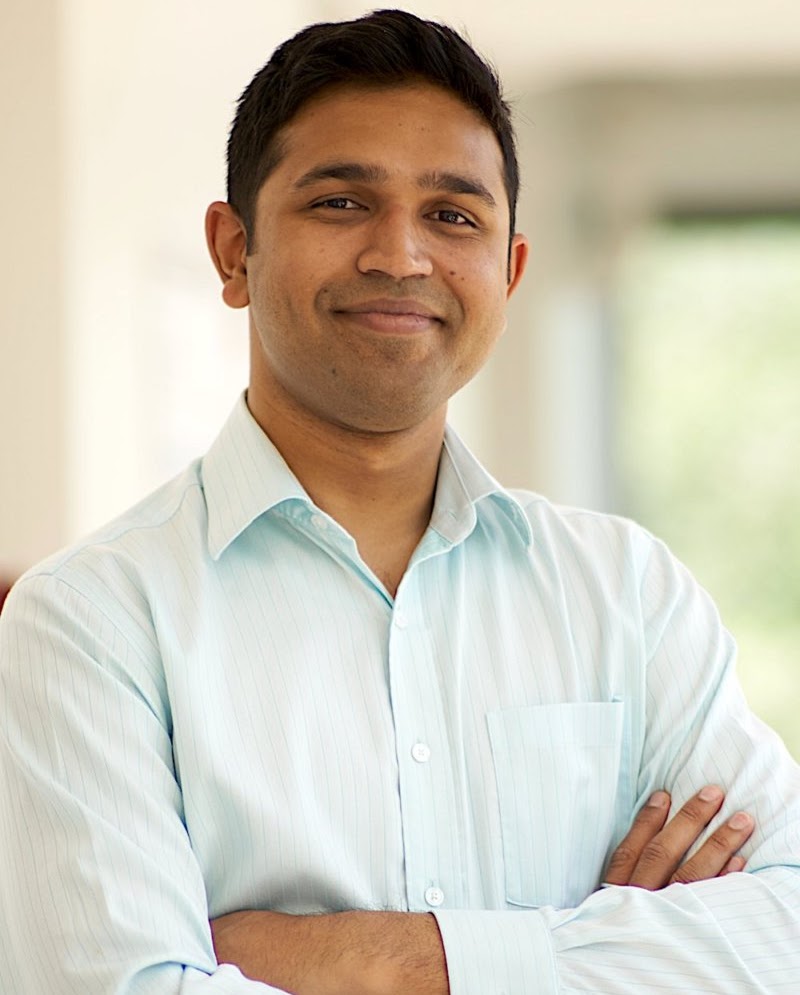
Dr. Tapomoy Bhattacharjee
Active living matter in complex environment
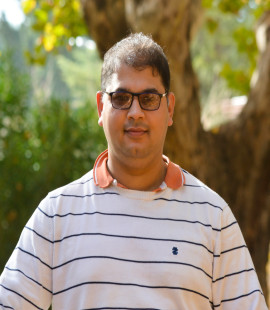
Dr. Amey Redkar
Microbial genetics and Plant-microbe interactions
Genetics and Development
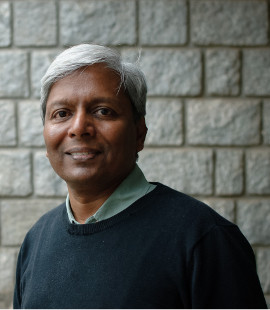
Prof. K. VijayRaghavan
(Professor Emeritus)
Doing the Locomotion: developmental neurobiology of animal movement
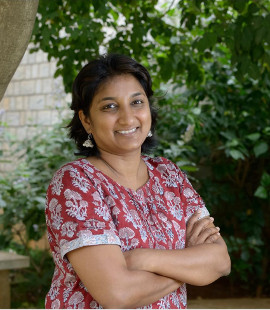
Prof. Uma Ramakrishnan
The genetic heritage of South Asia: tracking its history, conserving its future Image
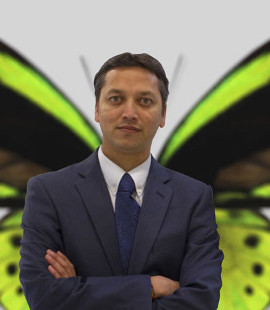
Dr. Krushnamegh Kunte
Speciation, adaptation and morphological diversification; Evolution and genetics of butterfly wing patterns
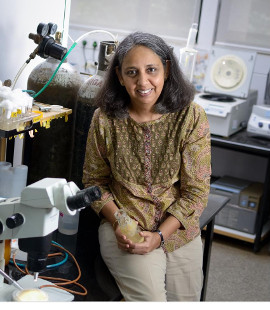
Prof. Gaiti Hasan
(Retired, currently SERB Distinguished Fellow) Inositol 1,4,5, - trisphosphate signalling in cellular and systemic physiology
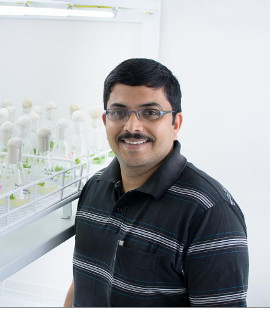
Dr. P. V. Shivaprasad
Plant epigenetics

Prof. Raghu Padinjat
Analysis of phosphoinositide signalling
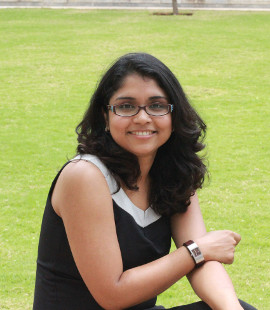
Dr. Hiyaa Ghosh
Brain homeostasis and neuroinflammation
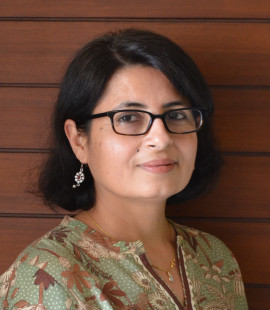
Dr. Dimple Notani
Gene Expression and Chromatin Architecture
Dr. Raj Ladher
Development and Morphogenesis of the Inner Ear
Dr.Soumyashree Das
Endothelial Cell Biology and Cardiovascular Regeneration
Dr. Abhishek Bhattacharya
Mechanisms of electrical synapse formation, regulation and function
Dr. Swadhin Chandra Jana
Organelle Biology in Development, Maintenance & Diseases
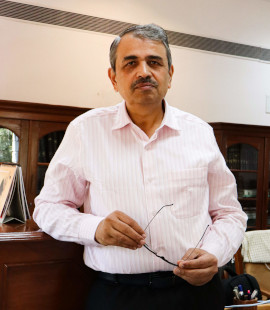
Prof. LS Shashidhara
Evolution of appendage forms, functional genomics, drug discovery
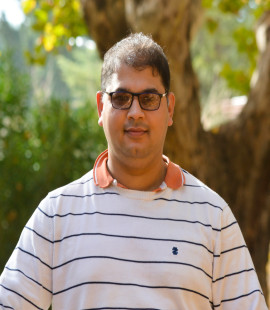
Dr. Amey Redkar
Microbial genetics and Plant-microbe interactions
Theory and Modelling of Biological Systems
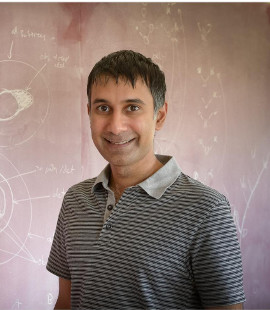
Prof. Mukund Thattai
Computational cell biology

Dr. Shachi Gosavi
Protein Folding, Assembly and Design
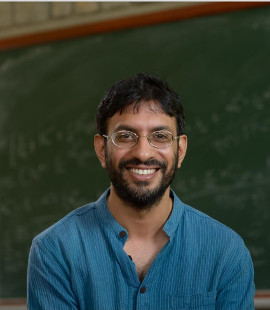
Prof. Sandeep Krishna
Decisions, Feedback and Games in Biological Systems

Prof. Madan Rao
Theoretical approaches in cell biology : physics of active, evolving systems
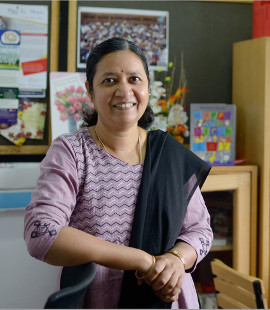
Prof. R. Sowdhamini
Computational Approaches to Protein Science
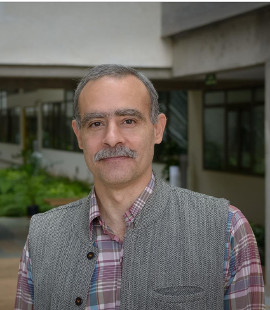
Prof. Upinder S. Bhalla
Computational and Experimental approaches to Memory and Plasticity
Dr. Shashi Thutupalli
Collective dynamics in living matter

Dr. Shruthi Viswanath
Integrative structural biology
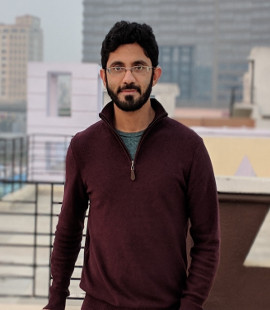
Dr. Shaon Chakrabarti
Quantitative cell biology: cellular proliferation in development and disease
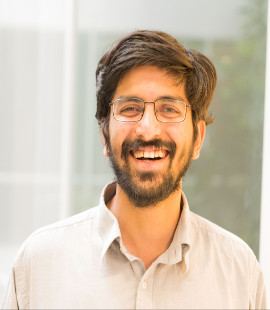
Dr. Archishman Raju
Emergence and control in development and evolution

Dr. Sufyan Ashhad
Neural control of breathing rhythm in mammals
Ecology and Evolution
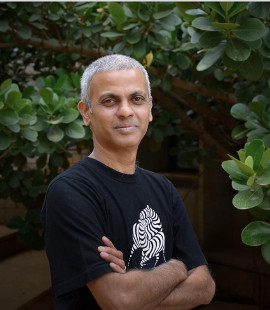
Prof. Mahesh Sankaran
Savanna ecology, plant-herbivore soil interactions and climate change
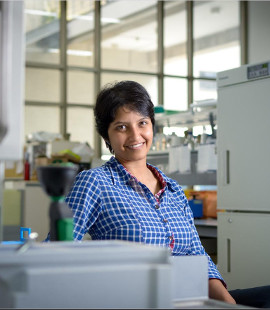
Dr. Deepa Agashe
Bacterial genome evolution and evolutionary ecology of adaptation

Dr. Krushnamegh Kunte
Biodiversity, evolution, speciation, adaptation, morphological diversification, genetics of butterfly wing patterns

Prof. Uma Ramakrishnan
The genetic heritage of South Asia: tracking its history, conserving its future
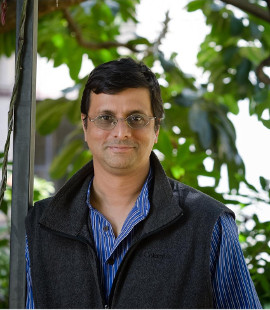
Prof. Sanjay P Sane
The physics and neurobiology of insect flight